
Perinatal & Postpartum Depression Treatment in Louisville, KY
Specialized care for depression during pregnancy and the first year after birth, led by Kim Woods, PMHNP-BC, PMH-C.
Breastfeeding-informed medication, Zurzuvae, and Deep TMS, coordinated with your OB-GYN.

PMHNP-BC,
PMH-C Certified

Babies Welcomed
(and encouraged!) at Our Clinic

Safety-focused Prescribing in Louisville

Coordinated Care
What is Perinatal Depression?
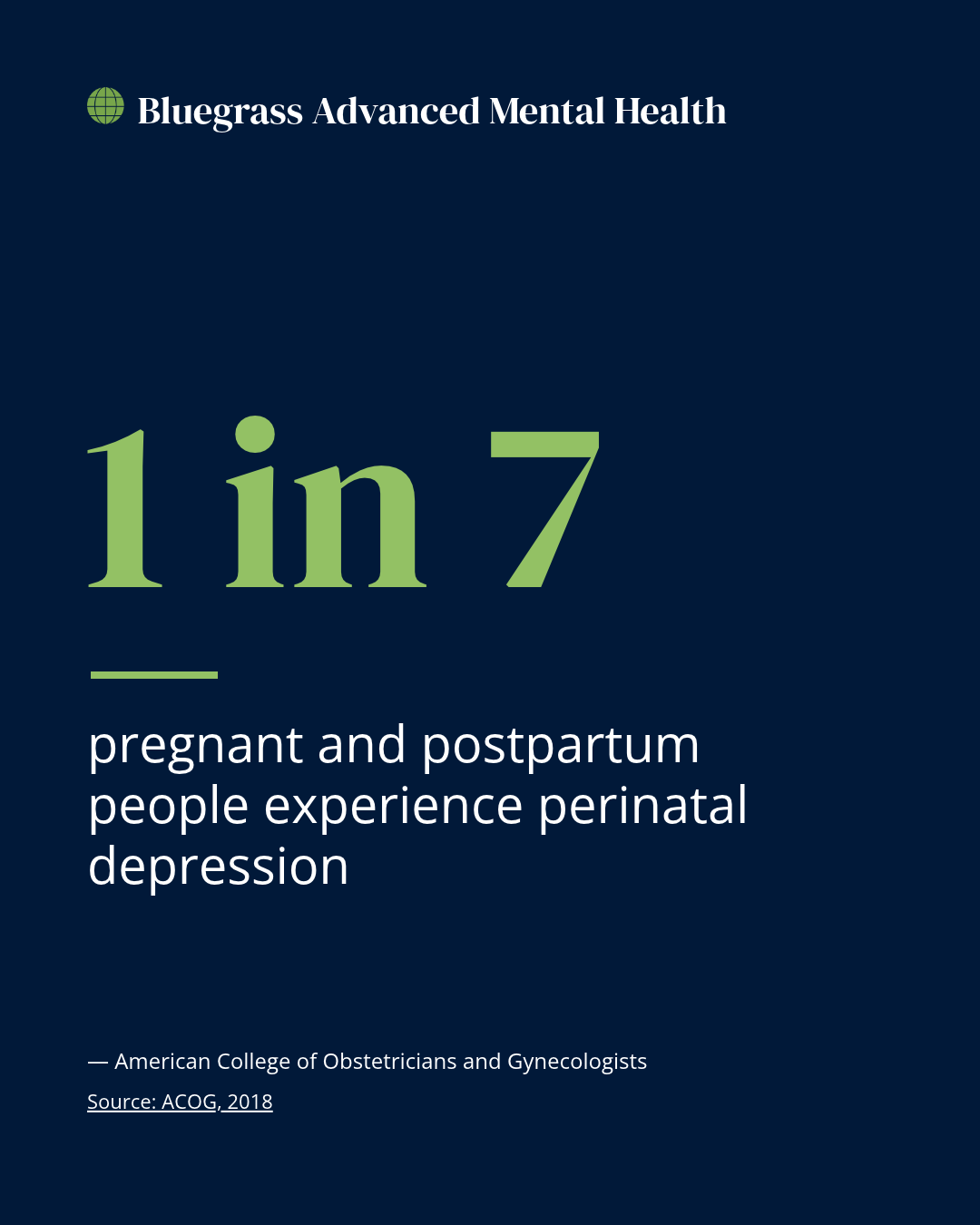
Perinatal depression is a depressive disorder that occurs during pregnancy or within the first year postpartum. According to the American College of Obstetricians and Gynecologists (ACOG), perinatal depression affects approximately 1 in 7 pregnant and postpartum people, making it one of the most common complications of pregnancy and childbirth.
Perinatal depression is different from the brief 'baby blues' that resolve within two weeks of delivery. It lasts longer, is more severe, and interferes with daily function and bonding with the baby. Perinatal anxiety, OCD, and intrusive thoughts frequently occur alongside depression.
Postpartum psychosis is rare but is a medical emergency: call 911 if you are experiencing psychosis.
How we treat perinatal and postpartum depression
Kim Woods, PMHNP-BC, PMH-C leads our perinatal care. Her PMH-C (Perinatal Mental Health Certification) from Postpartum Support International requires specialized training and a national exam. Your plan depends on whether you are pregnant, postpartum, or breastfeeding.

Perinatal medication management
Planning before conception, during pregnancy, and after birth, using medicines with the strongest pregnancy and breastfeeding safety data. ACOG recommends SSRIs as first-line medication for perinatal depression (Clinical Practice Guideline No. 5, 2023).
Zurzuvae for postpartum depression
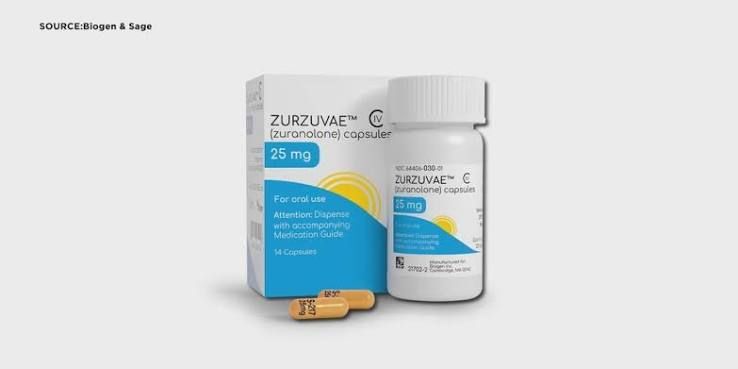
The first oral medication FDA-approved specifically for postpartum depression: one dose each evening for 14 days. It causes drowsiness, so no driving for 12 hours after each dose. Not used during pregnancy.
Deep TMS
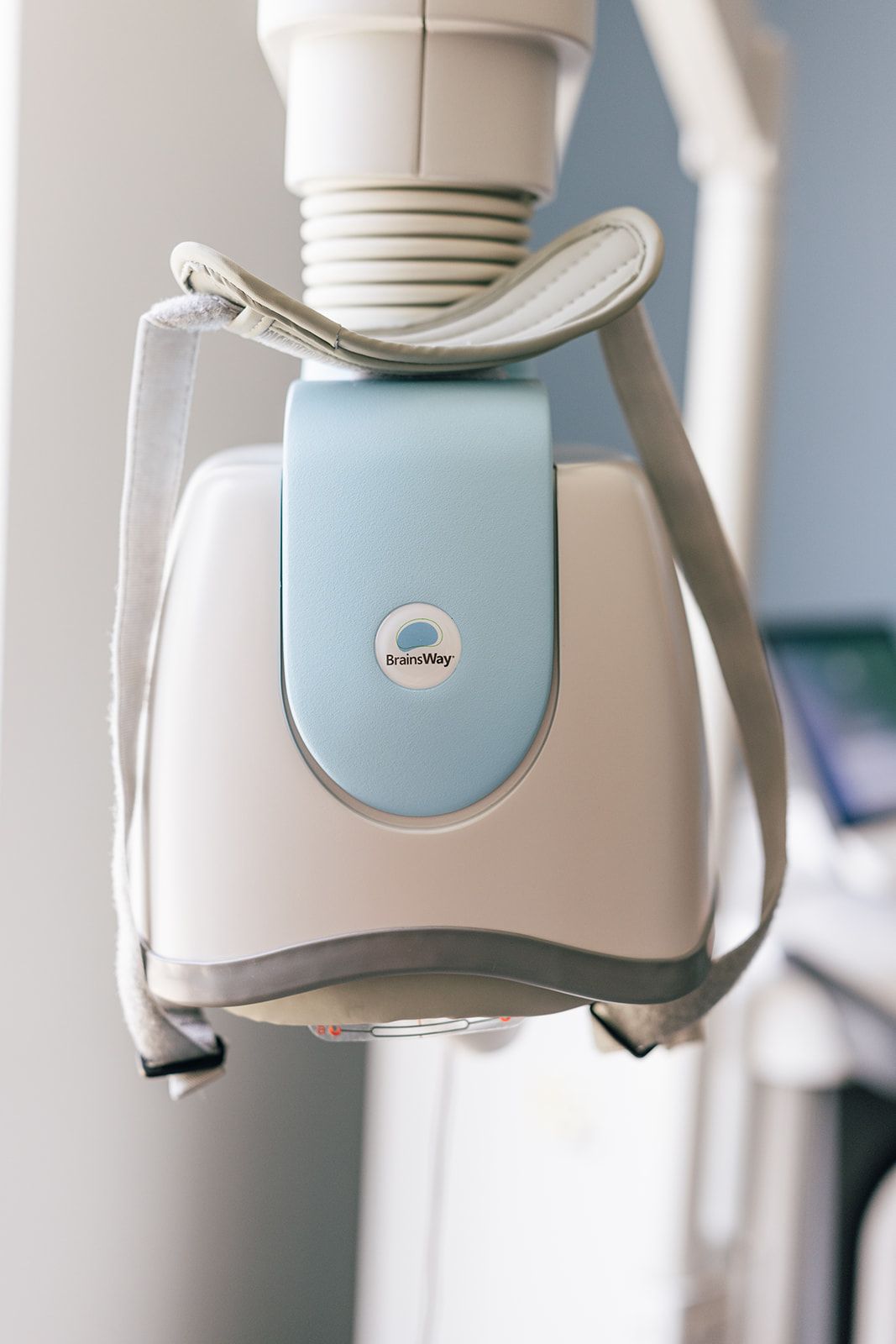
FDA-cleared, non-invasive brain stimulation with the BrainsWay H1 coil. No medication is involved, so nothing passes into breast milk. TMS may be considered during pregnancy case by case, evidence is limited but reassuring.
Do I qualify for perinatal care at Bluegrass Advanced Mental Health?
You are likely a candidate if:
- You are pregnant, planning a pregnancy, or within 12 months of giving birth or a pregnancy loss
- You have had low mood, anxiety, or intrusive thoughts for more than two weeks
- You have a history of depression and want a plan before or during pregnancy
- An antidepressant or therapy has not given you enough relief
- You are medically stable and not in a psychiatric emergency
- You have insurance or can arrange self-pay
The fastest way to find out is a free 5-minute screening call with our Patient Care team. We verify your insurance, confirm clinical criteria, and schedule your first appointment. No obligation.
Having thoughts of harming yourself or your baby? Call or text 988 now, or call 911 if you are in immediate danger. For 24/7 support, call or text the National Maternal Mental Health Hotline: 1-833-TLC-MAMA (1-833-852-6262).
What to expect
Your first visit is a 60-90 minute evaluation with Kim Woods or Dr. Roth. We review your psychiatric and pregnancy history, medications, breastfeeding plans, and symptoms using the Edinburgh Postnatal Depression Scale (EPDS), and screen for bipolar disorder before any antidepressant. You leave with a treatment plan, a timeline, and an insurance estimate.
Your plan may include:
• Starting, continuing, or adjusting medication
• A 14-day Zurzuvae course, with a plan for nighttime baby care
• Deep TMS or Accelerated TMS
• Medication safety notes shared with your OB-GYN or pediatrician
• Referral to perinatal therapy when it would help
Established Kentucky patients can do medication follow-ups by secure telehealth video. Evaluations, TMS, and Spravato are in person. Babies are welcome and encouraged at our clinic.
What outcomes to expect
Perinatal depression is treatable, and treating it protects you and your baby. Standard antidepressants usually take several weeks to reach full effect.
Zurzuvae can work faster. In the SKYLARK trial, 57% of women with severe postpartum depression saw symptoms drop by half or more at day 15, vs. 38% on placebo (Deligiannidis et al., American Journal of Psychiatry, 2023).
Individual results vary with severity, prior treatment, sleep, and support at home. Kim Woods will discuss realistic expectations at your evaluation.
57% of women with severe postpartum depression had a 50% or greater symptom reduction at day 15 with Zurzuvae, vs. 38% on placebo.
What does perinatal care cost?
With insurance: We are in-network with Aetna, Anthem, Cigna, Humana, Medicare, TRICARE, and UnitedHealthcare. Most patients pay only their standard specialist copay or coinsurance. Zurzuvae is billed through your pharmacy benefit.
Self-pay: Contact our Patient Care team at (502) 856-7378 for current self-pay pricing. Third-party financing is available.
Our Patient Care team verifies your specific benefits before any treatment begins.






Frequently asked questions about perinatal and postpartum depression
How do I know if it's postpartum depression or the baby blues?
A. The baby blues are mild and fade within about two weeks of birth. If sadness, anxiety, or hopelessness lasts longer, gets worse, or makes it hard to care for yourself or your baby, it may be postpartum depression, which can start any time in the first year.
Is it safe to take antidepressants during pregnancy?
A. Many antidepressants have well-studied pregnancy safety data, and the American College of Obstetricians and Gynecologists recommends SSRIs as first-line treatment. Untreated depression also carries risks for parent and baby. Kim Woods will weigh the risks and benefits for your medication and stage of pregnancy. If you would rather avoid medication, Deep TMS is an option.
Can I take antidepressants while breastfeeding?
A. In most cases, yes. Many antidepressants pass into breast milk in very small amounts. We use the NIH LactMed database and ACOG guidance to choose medications with the strongest lactation data.
What is Zurzuvae, and can I take it?
Zurzuvae (zuranolone) is a 14-day oral treatment for postpartum depression, taken each evening with food that contains fat. You cannot drive for at least 12 hours after each dose and need effective birth control during treatment and for one week after. It passes into breast milk at low levels. Kim will talk through whether to keep breastfeeding during the 14 days; some patients choose to pause and pump.
What if I am in crisis right now?
A. Call or text 988, the Suicide and Crisis Lifeline, any time. If you or your baby are in immediate danger, call 911. Bluegrass AMH can usually see new patients within one week of a screening call but is not an emergency service.
Ready to talk with a perinatal specialist?
A 5-minute screening call with our Patient Care team tells you if we are a fit, verifies your insurance coverage, and schedules your first appointment. No obligation.