Teen Depression Treatment in Louisville, KY (Ages 15+)
Specialized psychiatric care for Louisville teens struggling with depression despite medication or therapy. Led by Dr. David Roth, triple board-certified in Child and Adolescent Psychiatry, Adult Psychiatry and Pediatrics.
FDA-cleared Deep TMS available for teens 15 and older.

Triple-Board Certified, Expert Care

In-Network with Major Insurance Carriers
FDA-Cleared TMS for Teens 15+

Coordinated Care
What is teen depression?
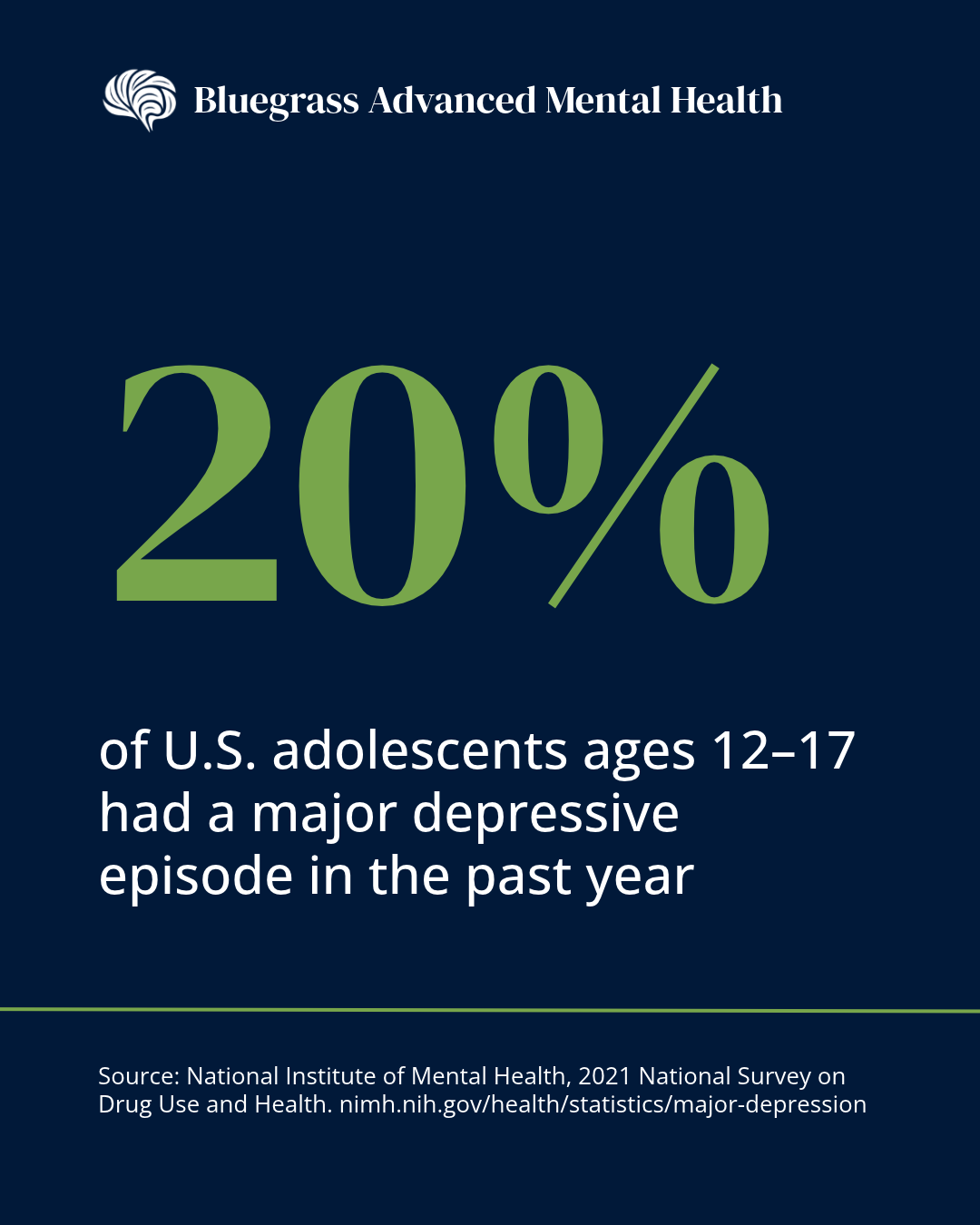
Depression in teenagers is a serious mental health condition characterized by persistent sadness, loss of interest, changes in sleep or appetite, difficulty concentrating, and sometimes thoughts of self-harm or suicide. According to the National Institute of Mental Health, approximately 20% of U.S. adolescents experience a major depressive episode by age 18.
Teen depression often looks different from adult depression. Common signs include:
• Irritability or anger more than sadness
• Decline in school performance
• Withdrawal from friends and activities previously enjoyed
• Sleeping too much or too little
• Physical complaints (headaches, stomachaches)
• Risk-taking behavior
• Self-harm or talk of suicide
If your teen is talking about suicide or self-harm, call or text 988 for immediate help.
How we treat teen depression at Bluegrass Advanced Mental Health
Three evidence-based options. The right fit depends on your teen's history, response to prior treatments, and your family's preferences.
Family-centered care — We communicate regularly with parents, coordinate with school counselors and outside therapists, and provide family education on supporting a teen through depression.

Medication management
For teens starting medication for the first time or who have had partial response, Dr. Roth optimizes the regimen based on current pediatric psychiatric guidelines, with close monitoring for both efficacy and side effects.
Comprehensive psychiatric evaluation
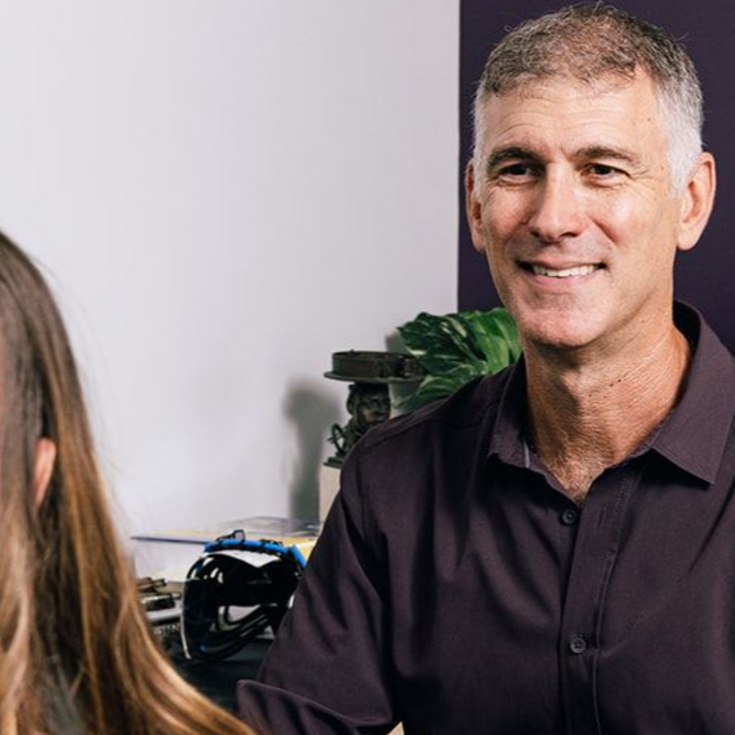
Dr. Roth conducts a 90-minute initial evaluation that includes time with the teen alone, time with parents or guardians, and time together as a family. We review academic history, prior treatments, family mental health history, developmental milestones, and current symptoms. The teen's perspective is central.
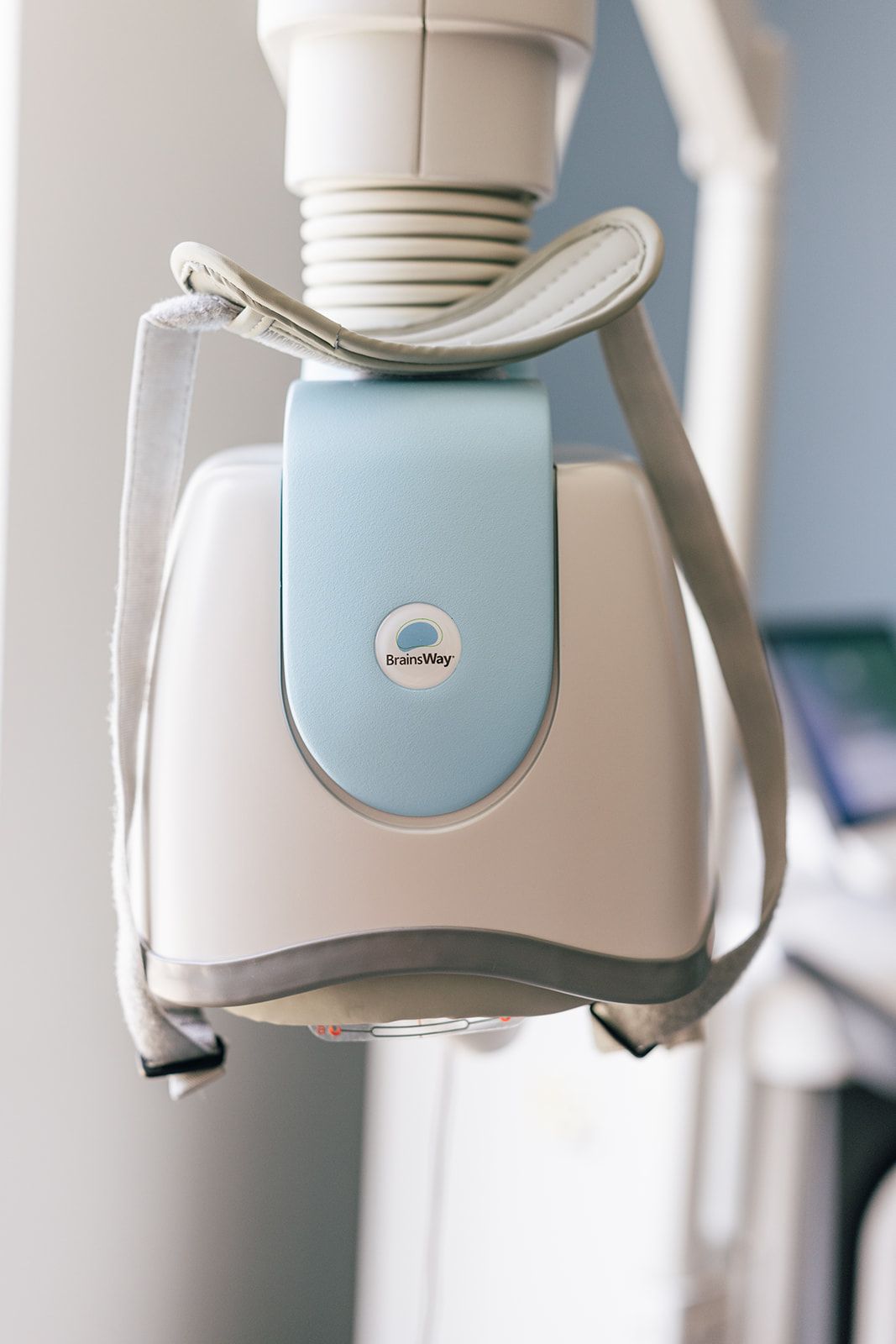
Deep TMS for adolescents 15 +
In November 2025, the FDA cleared BrainsWay Deep TMS as an add-on treatment for major depressive disorder in teens ages 15 to 21. Using the H1 coil, it is a non-medication option that avoids the systemic side effects teens often find hardest to tolerate (weight gain, sexual side effects, cognitive dulling). The course is the same as for adults: 36 sessions over 9 weeks.
Does my teen qualify?
Your teen is likely a candidate if:
- Your teen is 15 or older
- Your teen has been diagnosed with major depressive disorder (or you suspect depression based on symptoms)
- Your teen has tried antidepressant medication, therapy, or both without adequate response (for Deep TMS specifically)
- Your family has insurance that covers specialty psychiatric care (most commercial plans do)
- Your teen is medically stable and not in acute suicidal crisis
For acute crisis: Call or text 988. Local pediatric psychiatric emergency services are available at Norton Children's Hospital
What to expect
Your teen's first visit is a 90-minute family evaluation that includes time with the teen alone, time with parents or guardians, time together as a family, and validated screening tools (PHQ-9A, GAD-7, suicide screening). By the end the family has a diagnostic understanding, a treatment recommendation, and a timeline.
Follow-up visits are typically every 2-4 weeks initially, then stretched out as the teen stabilizes. For teens receiving Deep TMS, sessions are about 18 minutes of treatment, and most visits take under 45 minutes and we schedule around the school day — early morning or late afternoon slots.
What outcomes to expect
Response to depression treatment in adolescents varies based on severity, prior treatment history, co-occurring conditions, and family support.
For medication treatment, published response rates in adolescent trials are approximately 50-65% depending on the specific medication and population.
For Deep TMS, the FDA clearance for ages 15 to 21 was based on real-world data from 1,120 adolescents and young adults treated at 35 U.S. TMS centers. After 36 sessions, 66% responded, meaning their depression scores dropped by at least half.
Individual results vary. Dr. Roth will discuss realistic expected outcomes based on your teen's specific history during the evaluation.
61%
response rate
Medication (fluoxetine) for teen depression after 12 weeks
Source: Treatment for Adolescents With Depression Study (TADS), JAMA, 2004
66%
response rate
Deep TMS for teens ages 15 to 21, an FDA-cleared add-on treatment
Source: BrainsWay real-world adolescent data (1,120 patients), FDA 510(k) clearance, November 2025
What does teen depression treatment cost?
With insurance: We are in-network with Aetna, Anthem, Cigna, Humana, Medicare, TRICARE, and UnitedHealthcare. Most plans cover psychiatric evaluation and medication management. Coverage of Deep TMS for teens varies by plan because the adolescent FDA clearance is new (November 2025), so we check your teen’s benefits before treatment starts.
If insurance doesn’t cover your teen’s treatment, call our Patient Care team at (502) 856-7378 to talk through options.
Our Patient Care team verifies your specific benefits before any treatment begins.





Frequently asked questions about teen depression treatment
How is Dr. Roth qualified to treat teenagers?
A. Dr. David Roth is triple board-certified by the American Board of Psychiatry and Neurology in Adult Psychiatry and Child and Adolescent Psychiatry, and by the American Board of Pediatrics.
He is also a Distinguished Fellow of the American Academy of Child and Adolescent Psychiatry (DFAACAP), the highest level of recognition awarded by that organization.
Is Deep TMS safe for teenagers?
A. In November 2025, the FDA cleared Deep TMS as an add-on treatment for major depressive disorder in teens ages 15 to 21, based on data from 1,120 adolescents and young adults. Safety results were consistent with adult studies.
Deep TMS is non-invasive, requires no sedation, and has no systemic medication side effects. The most common side effect is mild scalp discomfort, which typically fades after the first few sessions.
Will Deep TMS interfere with my teen's school schedule?
A. Deep TMS is about 18 minutes of treatment, and most visits take under 45 minutes in the clinic. We schedule teen patients around the school day whenever possible.
How involved will I be as a parent?
Parents are integral to the treatment of adolescents at Bluegrass AMH. You will participate in the initial evaluation, receive updates after each visit (within the limits of the teen's privacy), and be included in family conversations about treatment direction and crisis planning.
What if my teen does not want to come?
A. Many teens are reluctant to see a psychiatrist, often because of concerns about being judged or being put on medication. Dr. Roth's approach is collaborative.
The initial visit prioritizes building trust with the teen and understanding their perspective. Families frequently report that reluctant teens become engaged participants after the first visit.
Ready to get your teen the specialized care they deserve?
A 5-minute screening call with our Patient Care team tells you if we are a fit for your teen, verifies your insurance coverage, and schedules the first appointment. No obligation